
Professional Caregiver Certification Series

- Description
- Curriculum
- FAQ
- Reviews
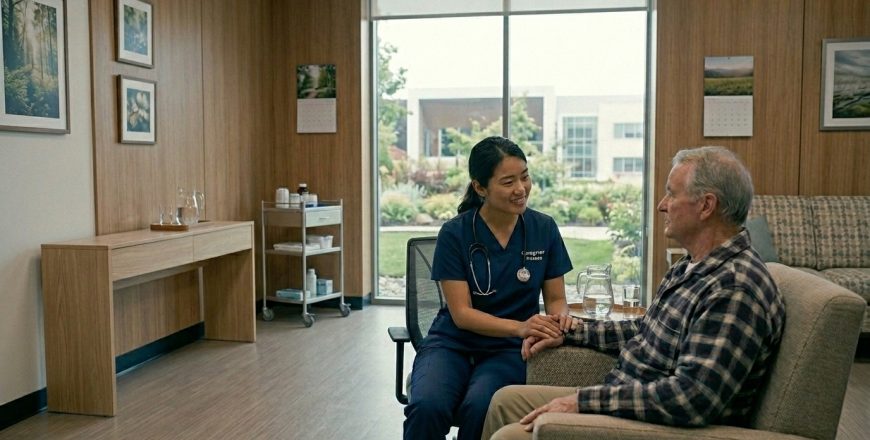
This course provides caregivers, healthcare aides, and assisted living professionals with the essential knowledge and skills required to deliver safe, compassionate, and resident-centered care. Participants will learn the fundamental principles of Resident Rights, effective communication techniques, professional caregiving practices, and strategies for supporting the physical, emotional, and social well-being of residents.
Through practical examples and real-world scenarios, learners will gain a deeper understanding of maintaining resident dignity, protecting privacy and confidentiality, recognizing and responding to emotional and behavioral changes, and fostering positive relationships with residents and their families. The course also covers important topics such as advance directives, professional boundaries, person-centered care, and effective communication with individuals experiencing age-related physical and cognitive changes.
-
1
 Chapter 1: Resident Rights
Today, we are discussing the absolute cornerstone of professional caregiving: Resident Rights. While specific regulations can vary from state to state, the core human values remain the same everywhere.
-
2
Chapter 2: Communicating Effectively with Residents
Communicating Effectively. When an older adult moves into an assisted living facility, their communication dynamics alter dramatically.
-
3
Chapter 3: Managing Personal Stress
Managing Personal Stress. Caregiving is an art, but it is also highly demanding. To remain an effective professional, you must recognize your own limitations and care for yourself.
-
4
Chapter 4: Preventing Abuse, Neglect, and Exploitation
This is a critical legal and ethical module on Preventing Abuse, Neglect, and Exploitation. As a certified caregiver, your primary duty is to protect vulnerable adults. If you have a reasonable basis to suspect mistreatment, you are legally obligated to step forward. Always gather facts diligently and follow your facility's protocols.
-
5
Chapter 5: Controlling the Spread of Disease and Infection
Infection Control. In a communal living environment, preventing the spread of germs is a matter of basic survival. Let's clarify a few quick terms first:
-
6
Chapter 6: Record Keeping and Documentation
Record Keeping and Documentation. In the medical field, if it wasn't documented, it didn't happen. You are legally responsible for maintaining accurate, highly confidential resident records. Keep these files in secure areas and never share them with unauthorized individuals.
-
7
Chapter 7: Service Plans
we address Service Plans. A service plan is a formalized, written agreement designed to help a resident manage their health day-to-day. It must be initiated the very day a resident is accepted into your facility and fully completed on file within a strict timeframe, typically 14 days.
-
8
Chapter 8: Nutrition, Hydration, and Food Services
Let's look at the foundational pillars of resident vitality, known in our industry as the "Big Three": Nutrition, Hydration, and Exercise. Malnutrition is often the primary reason families seek assisted living, as many seniors struggle to cook balanced meals for themselves.
-
9
Chapter 9: Assisting in the Self-Administration of Medications
Assisting with Medications. We must distinguish between "Medication Administration" and "Assisting with Self-Administration". True *Medication Administration* means directly applying a drug to a resident's body—such as physically placing a pill into their mouth, injecting insulin, or applying medicated drops. Generally, only licensed medical professionals like doctors or nurses can perform this task, unless a doctor explicitly delegates it to a trained caregiver in writing.
-
10
Chapter 10: Fire, Safety, and Emergency Procedures
Emergency Procedures. When an emergency strikes, residents will look directly to you for calm, decisive leadership. Your facility must maintain a comprehensive, written emergency plan.
-
11
Chapter 11: The Aging Process
The Aging Process. To care effectively for older adults, we must understand how the human body evolves over time. Aging impacts three distinct areas of life: physical, cognitive, and functional modalities.
-
12
Chapter 12: Skin Integrity and Pressure Sore Prevention
Covers a vital physical care duty: maintaining Skin Integrity. When a resident has limited mobility, prolonged pressure against a bed or chair cuts off vital blood supply to the skin, creating a painful ulcer known as a pressure sore or bedsore.
-
13
Chapter 13: Care for Residents with Dementia and Alzheimer’s Disease
Dementia and Alzheimer’s Disease. Let's define our terms accurately: **Dementia** is not a single disease; it is an umbrella term for a gradual decline in mental, cognitive, and social functioning compared to an individual’s previous baseline. It damages memory, alters personality, impairs judgment, and disrupts orientation to time and place.
-
14
Chapter 14: Communicating with Residents Unable to Direct Self-Care
These Chapters give us concrete communication strategies for residents with advanced cognitive decline. Advanced dementia causes a short attention span, restlessness, and easy boredom. To connect effectively, always apply the KISS method: Keep It Short and Simple.
-
15
Chapter 15: Risk Management, Fall Prevention, and Ambulation
We conclude our lecture series with Chapter 15: Risk Management, Fall Prevention, and Ambulation. Assisting residents with movement is one of your most physically demanding responsibilities, and doing it incorrectly poses injury risks to both you and the resident.
-
16
 Quiz: Mobile / Native Apps
- Flexible deadline
- Hours of on-demand video
- Assignments
- Certificate of completion
- Good grasp of the English language
- No prior knowledge of creative writing required
- Suitable for all levels
- Anyone passionate about writing